Early Y2K Music
Early Y2K Music

The first half of the 1990s, and then some, was dominated by two major musical movements: grunge and gangsta rap. Both genres stayed popular and relevant well into the early Y2K era and even beyond. Gangsta rap carried its influence deep into the 2000s with artists like 50 Cent, while grunge eventually evolved into post-grunge. Both were immensely popular, but each scene faced major setbacks through a series of tragic events. As their initial waves began to fade, new musical movements started to emerge: dance music, boy bands, R 'n' B, girl pop, pop punk, and, my personal favorite, nu metal.
Tragedy in Grunge
First, Kurt Cobain committed suicide in 1994. This alone dealt a huge blow to the grunge scene, but there were other troubles as well. Layne Staley of Alice in Chains struggled with heroin addiction following the band’s 1995 self-titled album and gradually withdrew from public life before his death in 2002 — another tragedy. Soundgarden released their final album of the 1990s, Down on the Upside, in 1996 and broke up the following year. Although nothing tragic happened to Pearl Jam, their 1996 release No Code marked a major shift away from the typical grunge sound.
Tragedy in Rap
The two biggest artists in the rap kingdom where, without a doubt, Tupac and the Notorious B.I.G., or Biggie, if you prefer. They lived the hardcore, gangbanger life and tragically died a gangster's death. First, Tupac was shot and killed in 1996. Biggie was then murdered the following year. Their deaths effectively ended the East Coast–West Coast feud that had dominated hip-hop for years. Both rappers had become larger-than-life figures and cultural icons. Their murders left a vacuum that changed the direction of hip-hop entirely.
In the Wake
In the wake of these tragedies and radical changes, other genres rose to prominence. We already mentioned many of them earlier. Perhaps it was these very losses that forced people to confront the harshness of life and, thus, generated a number of ways to cope with it. Some decided to loosen up and party before it's too late, as can be heard in dance music, boy bands, and girl pop. Others turned inward and explored romance, heartbreak, and intimacy through smooth production and emotional singing of R n B. Still others sought catharsis through rage, noise, and raw power of nu metal and pop-punk bands. Yet, regardless of genre, nearly every artist of the time seemed to touch on these same themes of love, loss, joy, and pain. It was almost a collective search for meaning in a millenium that felt like it was just beyond the horizon.
Genre-Blending
We also began witnessing a cross-blending of genres never before seen until this time period. The only real defining feature of the boy bands was that it was sung by handsome young men; likewise, girl pop by beautiful young women. Their music frequently featured elements borrowed from R&B, rock, dance, and electronic. Punk rock is often very anti-mainstream. The idea of writing a style of punk that's perfectly acceptable to play on FM radio seems bizarre, but it absolutely worked in the form of pop-punk. In no other genre of music does this genre-blending occur more, or better, than in nu metal. Hell, defining nu metal precisely is a very challenging task. I simply defining it as heavy metal music combined with other non-metal genres such as rap, electronic, industrial, alternative-rock, or even pop. It often gets lambasted for being "not real metal". I actually agree, but it doesn't have to be metal to be good. Nu metal wasn’t about purity; it was about release. It was the sound of a generation processing profound transformation through distortion, rhythm, and raw emotion.
Sound and Style
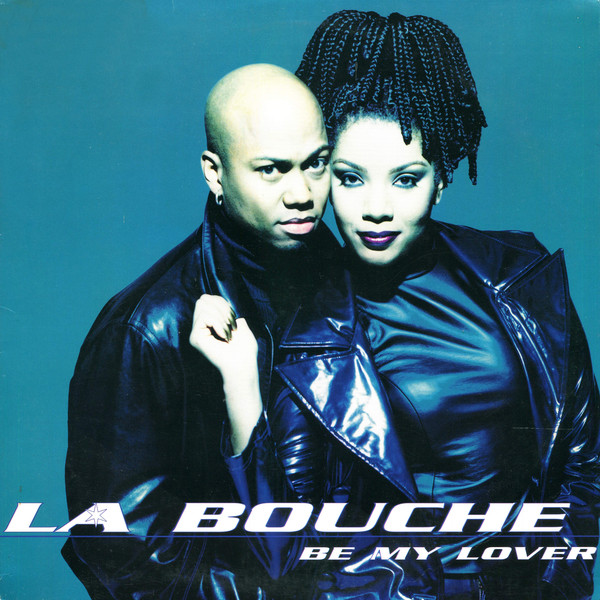
Apart from these burgeoning musical sounds, the artists themselves began wearing different attire. Grunge is closely associated with flannel and ripped jeans. Gangsta rap was either ragged streetware or fancy yet still hood bling wear (think diamonds on your teeth and exaggerated, large gold necklaces). Streetwear, ripped clothing, and flashy jewelery was definitely worn by artists that came afterward. However, there was important addition to all this: sunglasses, latex, leather, and trenchcoats. Yes, basically just the Matrix, but that's peak Y2K. There where already people adopting that style earlier in the decade. People wanted that urban grunge look but with a touch of sleek, a dash of cool, and even a hint of futurism.
Ending it
I think I'll end it here. I understand these paragraphs where very vague. At the same time, it serves as a background to each of these musical genres and styles that deserve to be explored in greater detail on their own. On one hand, I've got a lot of homework to do. On the other hand, it's a perfect opportunity to explore my childhood favorites and to discover any artists I missed during this time.


Comments
Post a Comment